" width="904px"><path d="M 0 452 C 0 202.367 202.367 0 452 0 C 701.633 0 904 202.367 904 452 C 904 701.633 701.633 904 452 904 C 202.367 904 0 701.633 0 452 Z" fill="rgb(37, 42, 46)" height="904px" id="mg2WY0jna" width="904px"/><path d="M 29 516 C 12.984 516 0 503.016 0 487 L 0 29 C 0 12.984 12.984 0 29 0 L 176 0 C 192.016 0 205 12.984 205 29 L 205 487 C 205 503.016 192.016 516 176 516 Z" fill="rgb(255, 255, 255)" height="516px" id="o09Ms15CX" transform="translate(172 194)" width="205px"/><path d="M 8 1.589 C 3 -2.411 0 1.589 0 8.589 L 0 138.589 C 0 152.589 5 163.589 15 174.589 L 91 250.589 C 95 254.589 95 258.589 91 262.589 L 14 350.589 C 5 360.589 0 371.589 0 384.589 L 0 500.589 C 0 508.589 4 512.589 10 508.589 L 286 306.589 C 296 298.589 300 287.589 300 274.589 L 300 238.589 C 300 225.589 296 214.589 286 206.589 Z" fill="rgb(255, 255, 255)" height="510.1582579057551px" id="ydMGJq_Fc" transform="translate(441 195.411)" width="300px"/></g></svg>)

WHY
INTO THE POSSIBLE
INTO THE POSSIBLE IS AN INDEPENDENT PUBLIC INITIATIVE FOUNDED BY LA FORCE COMMUNE.
We start from a reality that has become increasingly difficult to ignore: many of the institutions meant to organise our societies no longer seem capable of addressing the problems they were created to solve. Crises accumulate, procedures multiply, responsibility becomes harder to locate, and meaningful change seems increasingly difficult to achieve. At the same time, our dependence on a small number of major institutions, platforms and technical infrastructures continues to grow.
This is where INTO THE POSSIBLE begins. Not from the belief that every institution is illegitimate, but from the political reality that too many decisions have moved too far away from the people who must live with their consequences. The question is therefore not simply: who governs? It goes deeper: why do we have so little control over the systems we depend on — and how can we regain it?
A SIGNIFICANT PART OF WHAT ORGANIZES OUR LIVES IS DECIDED FAR FROM US.
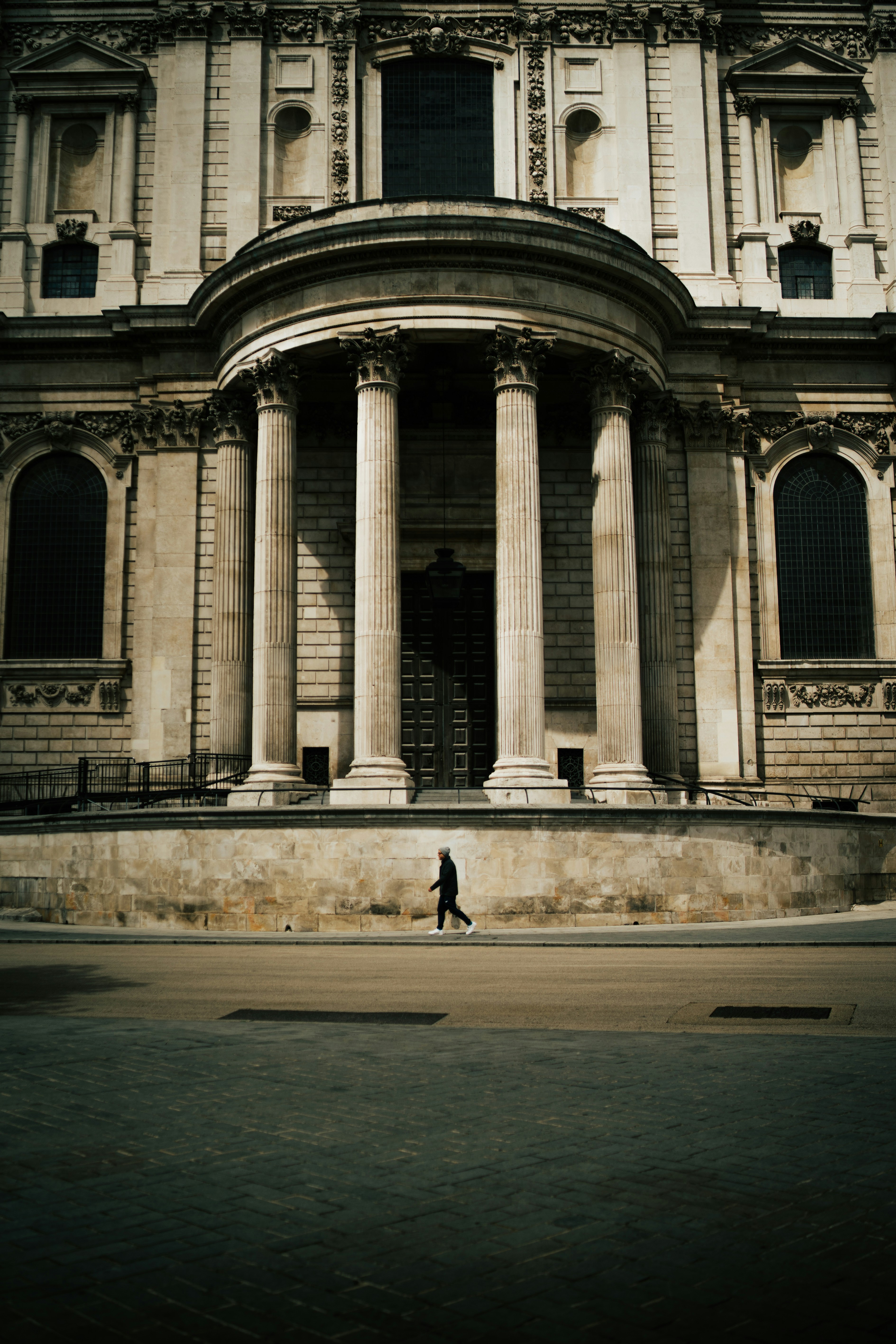
ORDINARY POWER
Power is not only found in governments, parliaments or ministries. It is also found in a regulation, an algorithm that ranks or rejects, a procedure with no real human interlocutor, a bank or a platform that has become difficult to do without.
POWER IS NOT MEASURED ONLY BY THE ORDERS IT GIVES. IT IS ALSO MEASURED BY THE CHOICES IT MAKES POSSIBLE, IMPOSSIBLE OR UNAVOIDABLE.
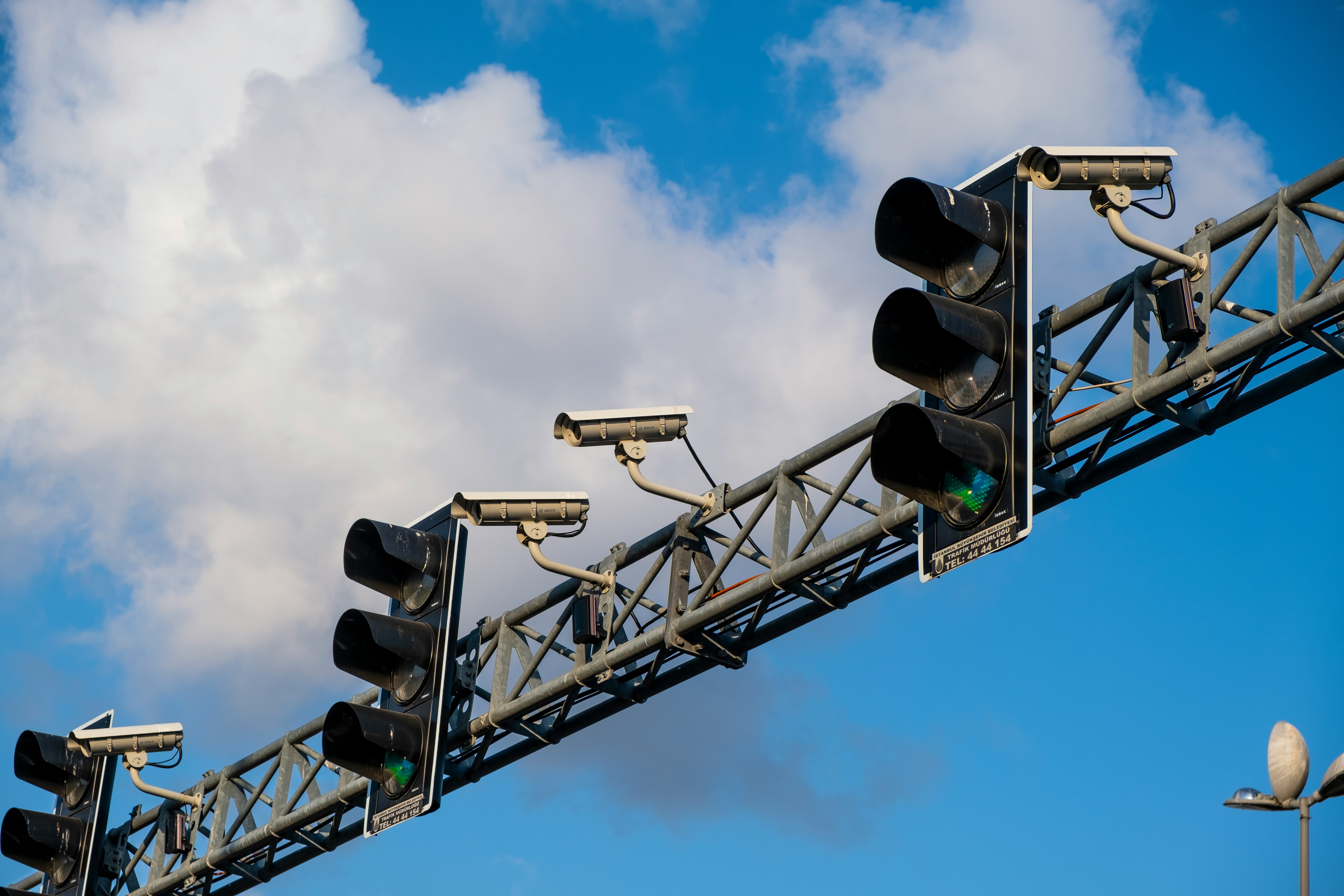
ACCOUNTABILITY
The more layers a decision passes through, the easier it becomes for responsibility to disappear. The government points to the rule. The administration points to the procedure. The bank points to compliance. The platform points to its terms. The decision still applies, but the person capable of changing it becomes increasingly difficult to find.
This form of power without clearly identifiable responsibility is one of the things we want to expose — because a rule that nobody can truly answer for also becomes extraordinarily difficult to change.
- WHO DECIDED?
- WHY?
- HOW CAN IT BE CHALLENGED?
When these questions become impossible to answer clearly, complexity no longer produces coordination alone. It also produces unaccountability.
DEPENDENCE IS NOT CONSENT.
We depend on institutions, platforms and infrastructures that can be almost impossible to avoid. That dependence is not consent.
When an organisation becomes essential to working, paying, communicating, moving around or accessing our rights, accepting its conditions no longer necessarily means that we chose them.
Freedom without a real possibility of exit is diminished freedom.

HAVING A SAY
Having a say means being able to change what shapes our lives. Being able to refuse. Being able to leave. Being able to choose another framework. Being able to bring a decision closer to the people it affects.
A society in which we can choose our leaders but can almost never change the systems they administer eventually reduces politics to managing what already exists.
We want to reopen what has been closed: the possibility of deciding differently.

DISTANCE
Scale can make it possible to coordinate millions of people, build major infrastructure or respond to problems that cross local boundaries. It can also create a considerable distance between those who decide and those who live with their decisions.
An institution can become so complex that almost no one understands it as a whole. A company can become so indispensable that the theoretical possibility of leaving it means very little.
SCALE IS NOT NEUTRAL.
The farther power moves from those it affects, the clearer its accountability must be and the more real the possibility of challenging it must remain.

WHAT WE REFUSE
- Systems in which nobody is responsible because everyone is merely following the rules.
- Institutions that demand our compliance while giving us almost no meaningful way to change them.
- Public or private monopolies that turn our dependence into power.
- Centralisation as the automatic answer to every problem.
- The belief that what exists today defines the limits of what we can organise tomorrow.
We believe the twenty-first century must be one of renewed autonomy — for peoples, communities and individuals, in Europe, the United States and everywhere else. The technologies already transforming our societies must not become new instruments of dependence or centralisation. They must remain at our service: bringing decision-making closer to those it affects, redistributing our capacity to act, and making possible forms of organisation that are freer, more accountable and more human.
We do not want to keep adapting individuals to systems that have grown too large for them. We want to bring those systems back to the scale of human freedom.
ALTERNATIVE
Existing institutional arrangements are not the only possible framework.
A policy can change without changing the institution that produces it. A leader can leave without removing the dependence created by the organization they led.
That is why INTO THE POSSIBLE looks at those who exercise power as well as the rules, structures and dependencies that outlast them. It explores other forms of organization, decision-making and cooperation.
INTO THE POSSIBLE is not a political party and does not field candidates. It seeks to make power relationships understandable, make accountability visible, and support the construction of alternatives where they can genuinely work.
NOTHING IS FIXED.
Our institutions have a history. Our technologies were designed. Our rules were written. Our dependencies were built. The question that interests us now is not only what no longer works. It is what forms of society could return more decision-making power, autonomy and responsibility to the people who live within them.
We want decisions to be made closer to those who live with their consequences, accountability that can be identified, institutions that can be challenged, and greater freedom to choose, create, associate and leave.
Common authority where it is genuinely necessary. Greater autonomy everywhere it is not.
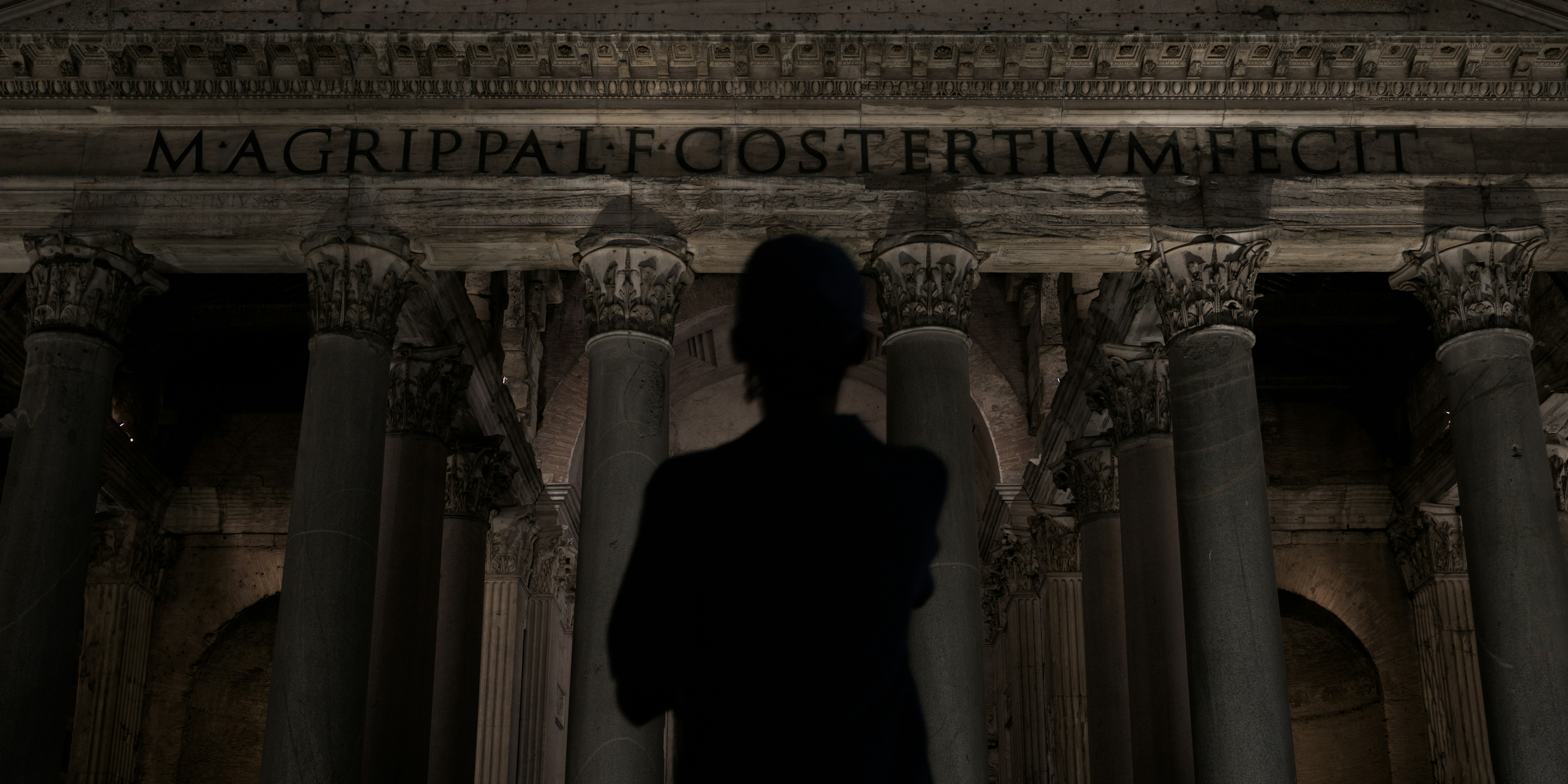
THE SYSTEMS WE INHERIT ARE POWERFUL.
THEY ARE NOT SACRED.
CONTACT
For a general inquiry, write to us here.
